Why Do Cats Have to Scratch Stuff Anyways?
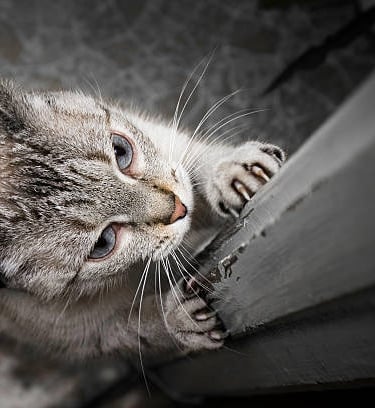
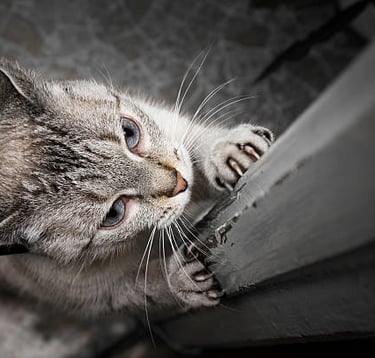
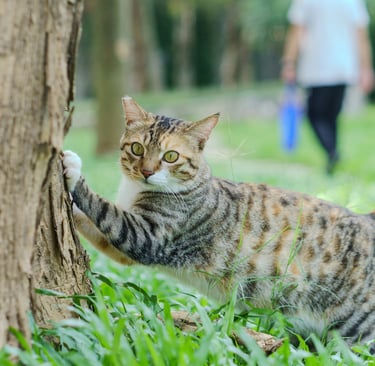
Above all else- it is perfectly normal and healthy for a cat to feel he has to scratch stuff. It is as natural as stretching or yawning, and it is wrong for humans to try to stop it.
Some people call it "sharpening their claws" and there is some truth to that. When your cat picks at your couch with his claws, he is not trying to wreck it, he just feels a need to do this as regular maintenance, it probably feels similar to an itch. You might have already found bits of their claw that fell off in flakes with the same hook-like shape as their claws- their scratching action causes these flakes to come off, leaving it sharper and more comfortable.
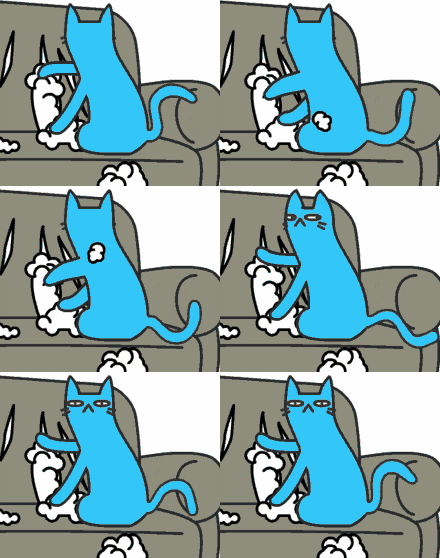
But there is much more to it: it is about stretching muscles, marking territory (visually and with scent from paw glands), and releasing stress or excitement. It is an emotional relief, a way to express excitement, relieve stress, or even deal with frustration. It often accompanies playful actions, much like you might laugh or clap your hands.
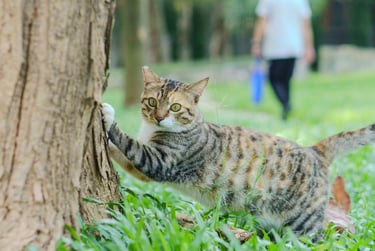
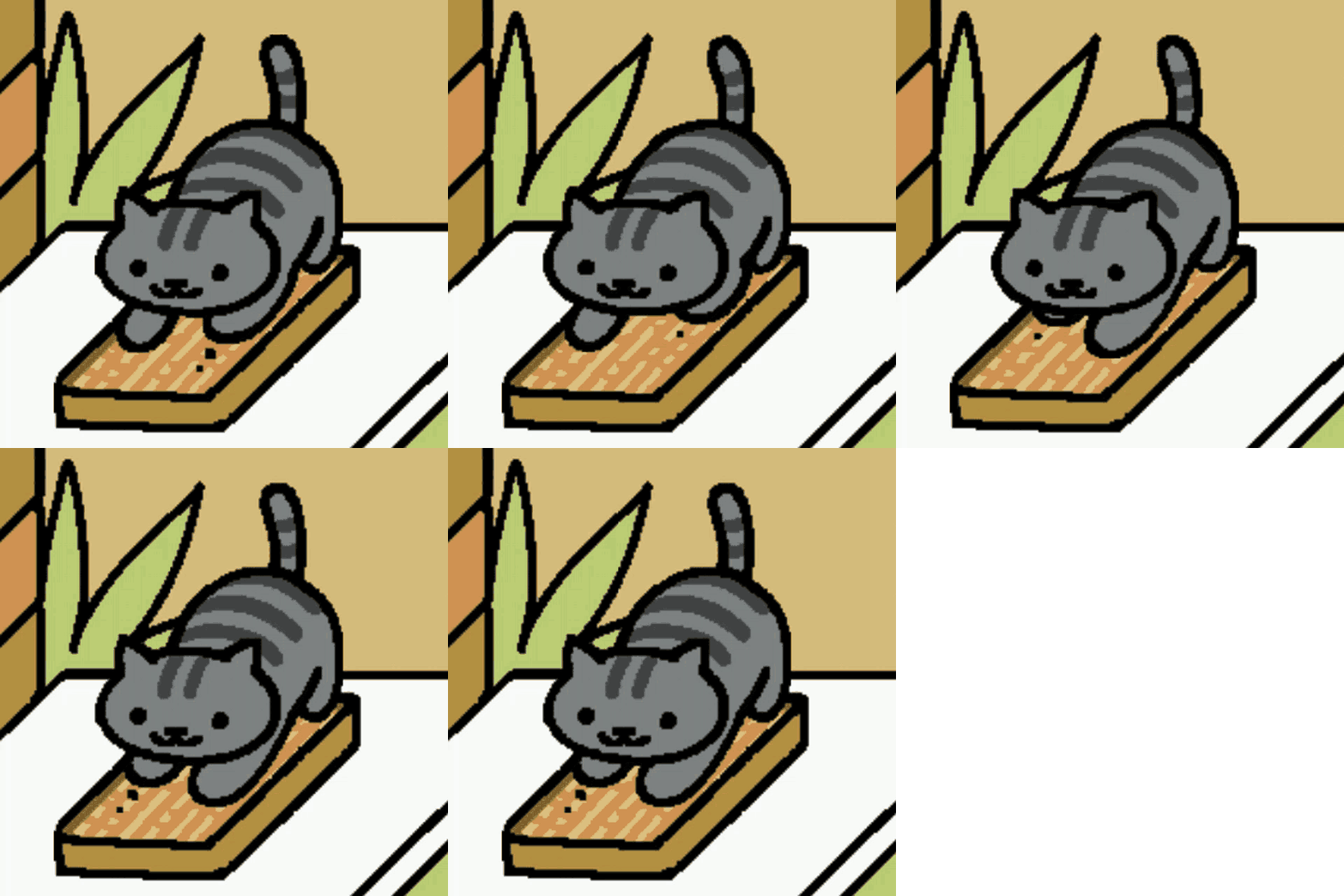
So when you provide a regular spot for him to scratch, you will notice an immediate reduction in that scratching action upon your furniture and carpets. Cardboard is especially inviting for them- it has just the right texture. Vertical scratching surfaces mimic tree trunks. The end grain in particular is extra inviting- it also happens to be a great way to embed catnip- into the fluted corrugation, but also in between the layers.
While we're on the topic- what the heck is catnip anyways?
Nepeta cataria (it's scientific name), is a perennial herb belonging to the mint family, famous for its unique and temporary effects on many felines. The plant contains a volatile essential oil called nepetalactone, which is the compound responsible for stimulating a reaction in most cats.
When a cat smells the nepetalactone (released when the plant is bruised or crushed), the compound binds to receptors in their nose, which in turn stimulates areas of the brain related to emotion and behavior. This causes a short-lived reaction, typically lasting from 5 to 15 minutes, after which the cat becomes temporarily desensitized to the effects.
It is NOT harmful to them, but like most things, too much is not good (too much oxygen or water can make you feel sick even though both are vital to life). This is why sandwiching the catnip between the layers is ideal. You have to scratch the cardboard to release tiny amounts of the nepetalactone.